Design For Good
Year
2024
Duration
12 Hours
Role
UI/UX Design & Research
Team
6 Members
Skills
The Problem
Moses, a school proprietor in Wakiso, Uganda, needs cost-effective technology to improve teacher retention, lesson quality, and student outcomes in his low-cost private school.
The Solution
An AI-powered responsive lesson planning tool paired with a $5–$10 solar-powered hardware toggle, enabling teachers to generate curriculum-aligned plans and collect real-time student data — even offline.
The Impact
- 1st place at JP Morgan Chase Hackathon
- Responsive wireframes: desktop, tablet, mobile
- $5–$10 hardware prototype for student data
- Full pitch delivered to judges in 12 hours
The Problem
Moses is a school proprietor in Wakiso, Uganda who operates a low-cost private school. He wants to participate in Opportunity International's EduQuality program to improve the quality of education in his school.
"How can technology and innovative strategies help Moses improve teacher retention, teaching practices, and enhance overall educational quality in his low-cost private school?"
Our challenge areas
- Improve teacher professional development & retention
- Improve teacher lesson planning and delivery
- Improve student assessment methods
- Improve early-grade literacy outcomes
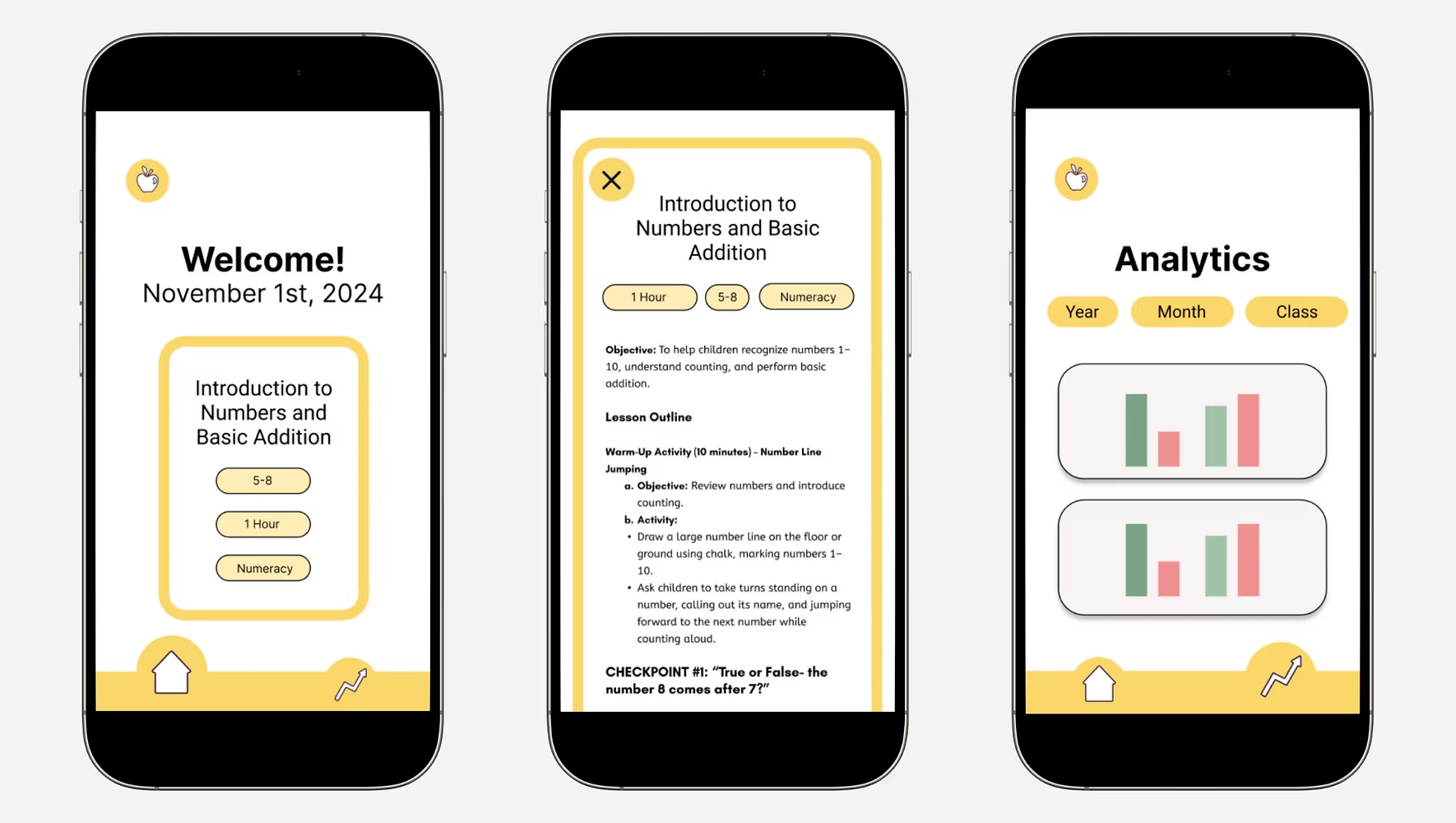
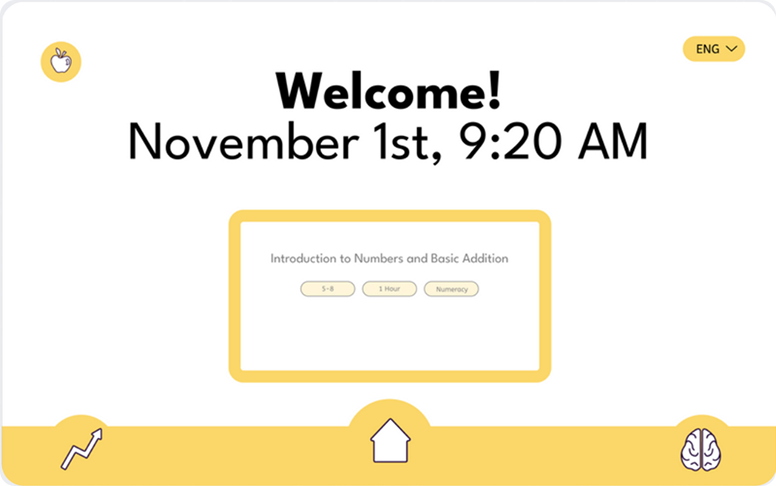
Responsive screens — desktop, tablet, mobile
Meet Jaqueline

Primary Persona
Jaqueline
A teacher in Uganda and the largest stakeholder in Moses' school. Our solution was designed entirely around her day-to-day challenges.
Pain points
Assessment
Tracking student engagement in large class sizes with almost no tools.
Lesson Planning
Creating new lesson plans quickly without access to quality resources.
Connectivity
Poor electricity means tablets often fail to connect, breaking any digital workflow.
What We Found
We conducted focused secondary research built around three core questions, then synthesized findings to define our multidisciplinary challenge.
01
What is lesson planning?
Learning objectives should be ranked by importance and taught in order.
02
How can technology aid it?
Tech can reference past plans, cut human error, and speed up creation.
03
Where do students play a role?
Incorporating student data makes plans more personalized and effective.
The Multidisciplinary Challenge
Our solution had to multitask — provide effective AI-generated lesson plans using student data, adapt to different environments and resource conditions, and above all be easy and cost-effective to use.
How It Works
The AI System
- 1
The AI is trained on examples
First, the AI is given examples of effective lesson plans and how factors like class size, duration, and student age affect design.
- 2
It builds from existing knowledge
Next, it draws on Uganda curriculum data and syllabus uploads when offline, and incorporates past lesson plans and live student data when online.
- 3
It stays current
Whenever connectivity is restored, the AI syncs and updates its knowledge base with fresh data so plans never go stale.
- 4
Student feedback closes the loop
Finally, it gathers student participation data from in-class quizzes through the hardware checkpoint — feeding results back into future lesson generation.
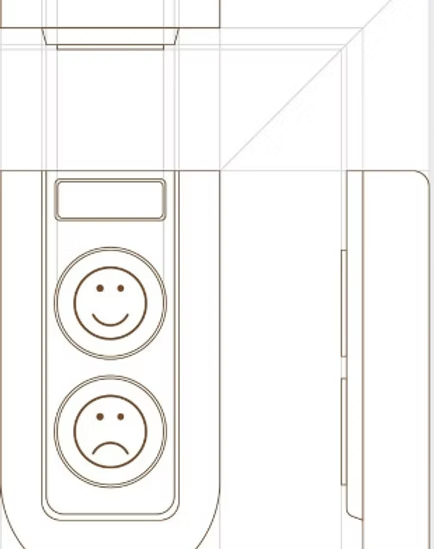
The Hardware Toggle
A smart, solar-powered toggle that lets students answer yes/no, true/false, or comprehension-check questions. Data transmits via Bluetooth and feeds back into the app.
Solar-powered
Works without electricity or charging
Bluetooth sync
Transmits student data directly to the app
Yes / No toggle
Simple input for low-literacy students
$5–$10 to produce
Affordable at scale for low-cost private schools
Bringing It to Life
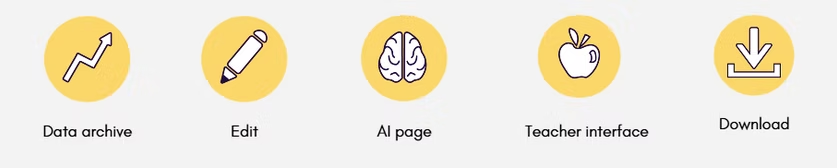
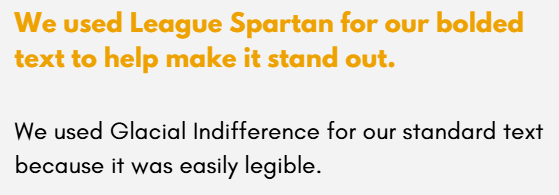
Yellow was chosen to emphasize joy and neural calmness — advocating for anxiety-free schooling for both students and teachers. The system stays clean and icon-driven for low-literacy contexts.

App Screens
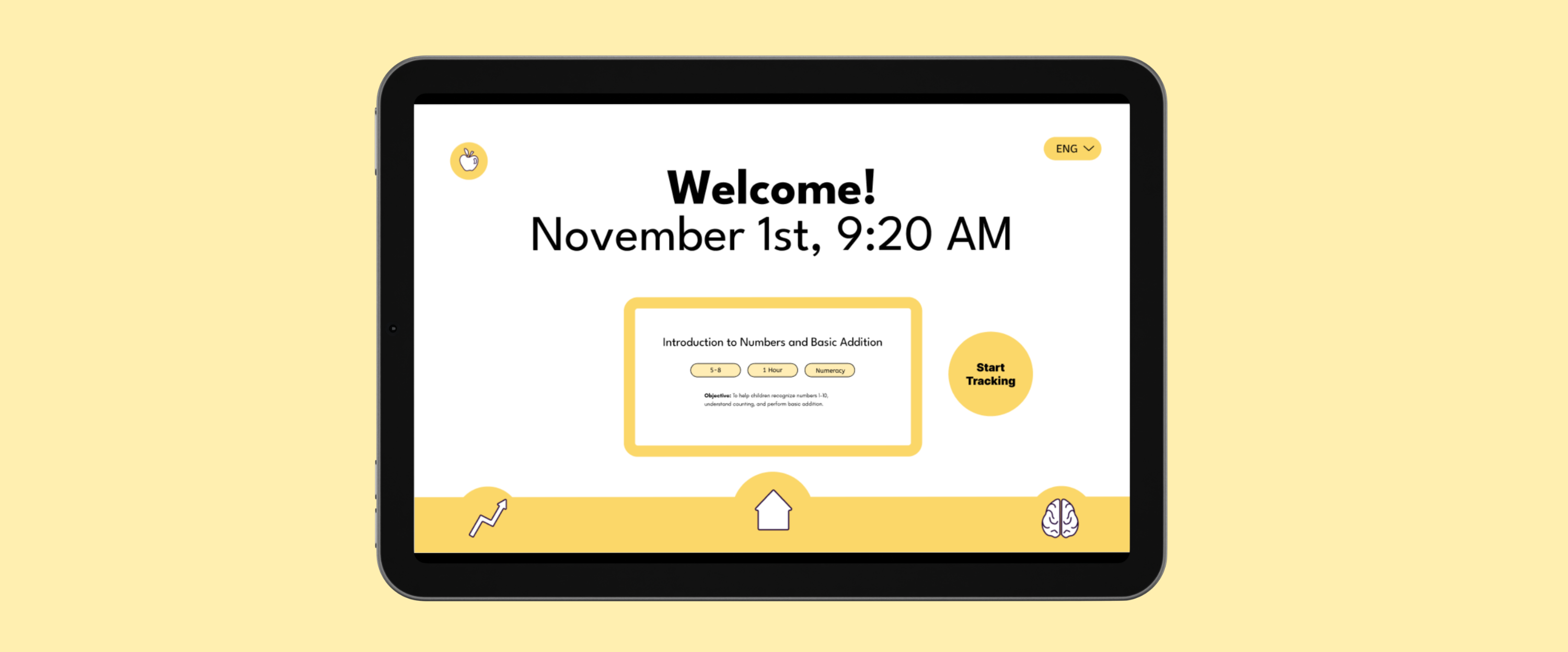
Dashboard — Good morning view with lesson card
Prototype Walkthrough
Results & Reflections
Awarded 1st Place
Our solution won first place at the JP Morgan Chase Design For Good Hackathon. We hope to see it implemented in the future by Opportunity International.
My contributions
Research
Technology tools for lesson planning and hardware cost breakdown
Design
Co-designed all responsive wireframes — desktop, tablet, and mobile
Prototyping
Made wireframes interactive for the final judging presentation
Key learnings
Designing for constraints breeds innovation
Limited time and resources pushed us toward more creative, purposeful decisions.
Context is everything
Designing internationally meant constantly questioning Western assumptions baked into our design defaults.
AI can democratize access
When thoughtfully implemented, AI genuinely levels the playing field for under-resourced educators.
Learn More
Project Presentations
Want to explore our research and final designs in more depth? View the full presentations below.
Next Journey
Explore More Journeys→